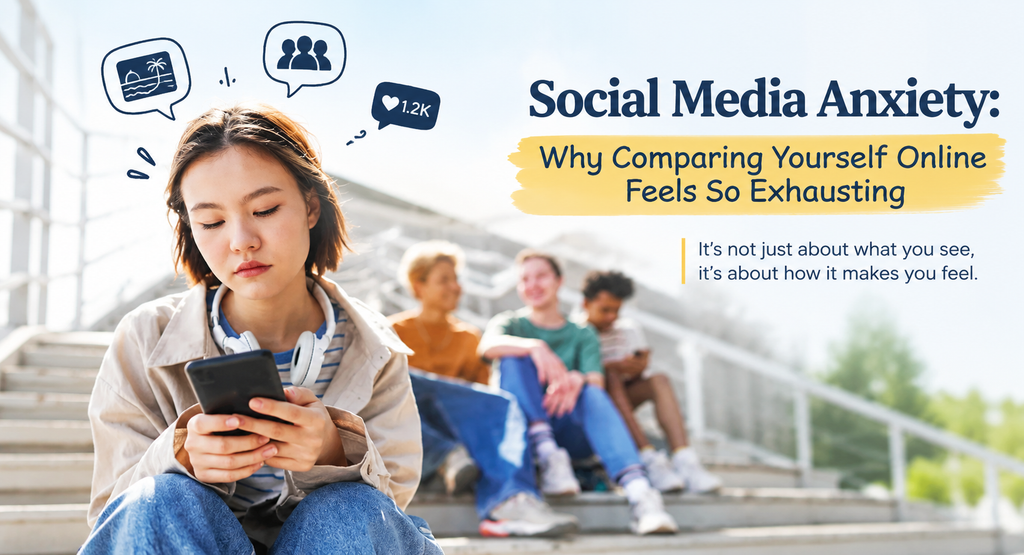
Have you ever opened Instagram or another social media app for a few minutes and suddenly started feeling that your life isn’t good enough? If scrolling leaves you anxious, insecure, or mentally exhausted, talking to a Best Psychiatrist In Indore can help you understand these feelings and learn healthier ways to manage them.
You see someone travelling to a beautiful destination. Someone has bought a new house. Someone has started a successful career. Someone is getting married, looking fitter, or achieving something you have been working towards for years.
You look at your own life and think, “Why am I not there yet?”
That simple thought can slowly turn into overthinking, self-doubt and anxiety.
Social media is not necessarily harmful. It can help us stay connected, learn new things and find communities that make us feel supported. The problem often begins when we start using other people’s online lives as a measuring scale for our own.
Why Does Social Media Comparison Feel So Exhausting?
The biggest reason is simple: you are usually comparing your real life with someone else’s best moments.
People generally don’t post every difficult day, failed plan, relationship problem, financial worry or personal insecurity.
They post the holiday, not the stress behind it.
They post the achievement, not the years of struggle.
They post the perfect picture, not the dozens of pictures they rejected.
But when you repeatedly see these polished moments, your brain may start believing that everyone else is happier, more successful and more confident than you.
And that can be emotionally tiring.
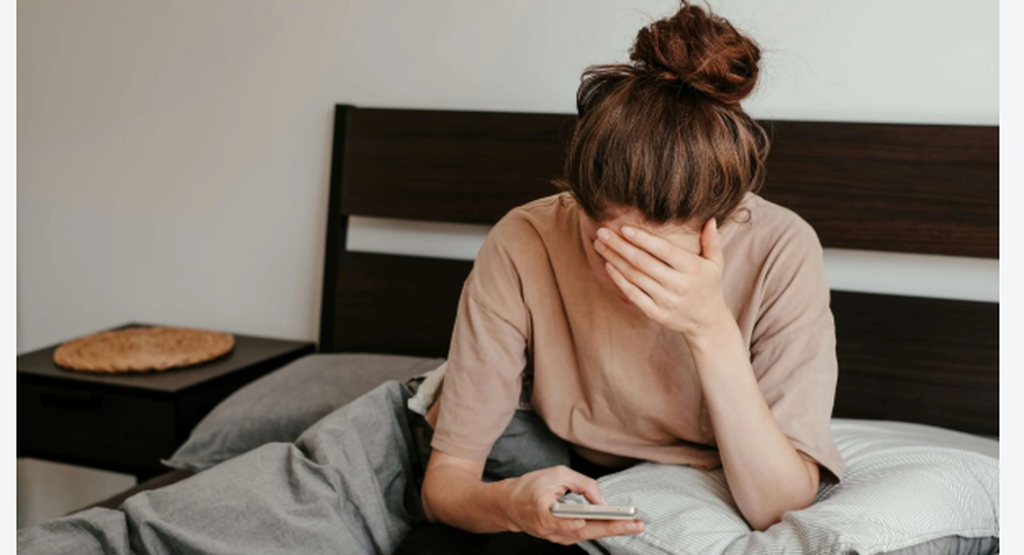
1. You Start Feeling That You Are Falling Behind
Social media can create a strange feeling that everyone is moving forward while you are standing still.
A person your age gets a promotion.
Someone younger starts a business.
An old school friend gets married.
Someone you barely know buys their dream home.
Suddenly, you start questioning your own progress.
You may think:
- “I should have achieved more by now.”
- “Why am I still struggling?”
- “Everyone is ahead of me.”
- “Maybe I’m not good enough.”
The problem isn’t necessarily that you haven’t achieved enough. The problem is that you’re constantly being shown other people’s milestones.
2. Your Self-Worth Can Become Connected to Social Media
Likes, comments, followers and views may seem harmless, but they can sometimes influence how we feel about ourselves.
A post gets fewer likes than expected, and you feel disappointed.
Someone receives more attention, and you feel ignored.
You post something and keep checking your phone to see who reacted.
Slowly, online approval can start becoming connected to self-esteem.
Instead of asking, “Do I like what I’m doing?”, you may start asking, “Will other people like it?”
That shift can create unnecessary emotional pressure.
3. Social Media Can Trigger Overthinking
Sometimes the problem continues even after you close the app.
You see a friend’s success and start thinking about your career.
You see a happy couple and start questioning your relationship.
You see someone’s appearance and start criticizing your own body.
One thought leads to another, and before you know it, you’ve spent an hour thinking about something you saw for only a few seconds.
This is one reason social media comparison can feel so exhausting.
Your body may be resting, but your mind is still working.
4. You May Start Chasing an Unrealistic Version of Yourself
Social media can make perfection look normal.
Perfect skin.
Perfect body.
Perfect relationship.
Perfect career.
Perfect home.
Perfect lifestyle.
But real life is messy. People have bad days, doubts, failures and unfinished plans.
When perfection becomes the standard, normal human experiences can start feeling like personal failures.
You may become overly critical of yourself because your life doesn’t look like the carefully edited lives appearing on your screen.
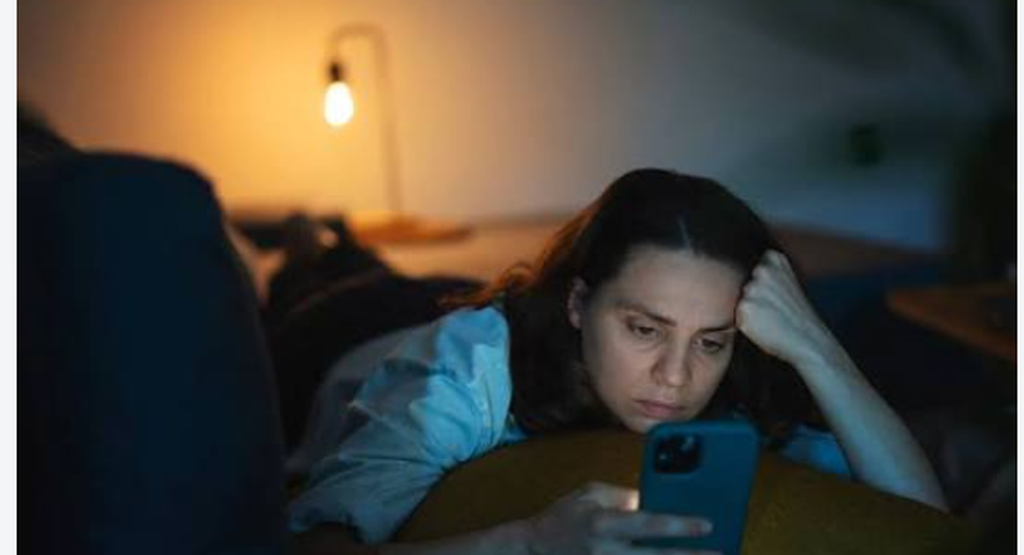
5. Constant Scrolling Can Affect Your Mood
Have you noticed that you sometimes feel fine before opening social media but irritated, anxious or low after scrolling?
Pay attention to that feeling.
Not every social media experience is negative, but certain types of content can affect your mood differently.
Content that repeatedly makes you feel jealous, inadequate, angry or anxious may not be worth consuming every day.
Your feed is not just entertainment. What you repeatedly consume can influence what you think about yourself and your life.
How Can You Stop Comparing Yourself Online?
You don’t necessarily need to delete every social media app.
Instead, try changing how you use it.
Be Careful About Who You Follow
If certain accounts regularly make you feel insecure or unhappy, consider muting or unfollowing them.
Following fewer accounts that make you feel pressured can make your online experience much healthier.
Notice Your Emotional Response
Don’t only ask yourself how much time you spend online.
Ask:
“How do I feel after scrolling?”
Do you feel relaxed?
Connected?
Inspired?
Or anxious, jealous, insecure and mentally tired?
Your answer can tell you whether your current social media habits are working for you.
Remember That You Don’t See the Full Story
A social media post is a moment, not a complete life.
Someone can look extremely happy in a photograph and still be dealing with personal struggles that you know nothing about.
So don’t use a single picture as evidence that someone has a better life than you.
Take Small Breaks
You don’t have to go completely offline.
Try simple changes:
- Keep your phone away during meals.
- Avoid checking social media immediately after waking up.
- Take screen-free breaks during the day.
- Don’t use social media as your only source of entertainment.
- Spend more time doing activities that make you feel present.
Small changes can make a meaningful difference.
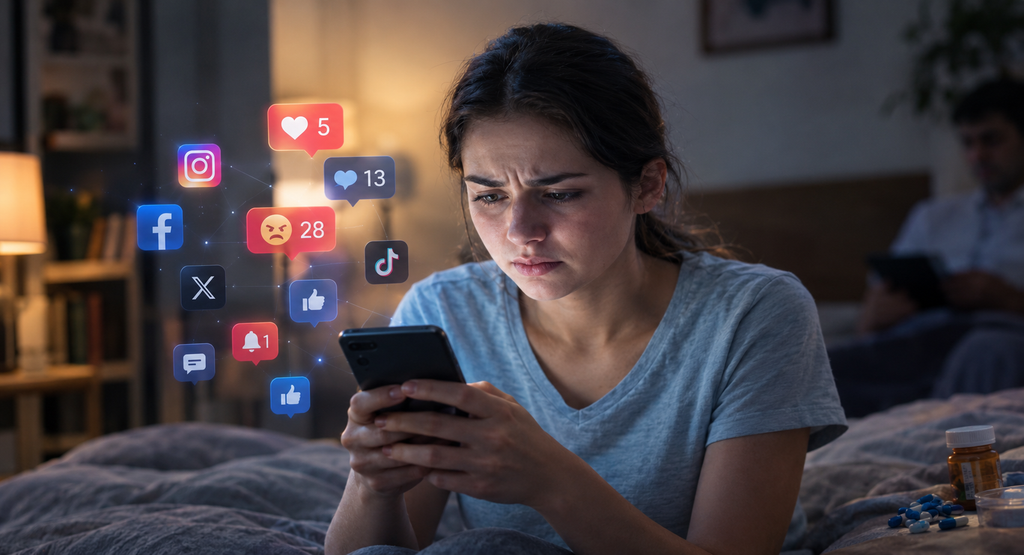
When Does Social Media Anxiety Become a Concern?
Occasionally comparing yourself with others is normal.
But if social media consistently affects your mental health, it deserves attention.
Consider speaking with a mental-health professional if you are experiencing:
- Frequent anxiety after using social media
- Constant comparison with others
- Persistent overthinking
- Low self-esteem
- Difficulty sleeping
- Irritability or mood changes
- Feeling dependent on likes or online validation
- Difficulty controlling your social media use
- Loss of interest in activities you previously enjoyed
If these feelings are interfering with your relationships, studies, work, sleep or everyday life, don’t simply dismiss them as “just social media.”
A Best Psychiatrist In Indore can help assess whether anxiety, stress, low self-esteem, depression or another underlying concern may be contributing to what you are experiencing.
Remember: Your Life Is Not a Competition
The internet can make it seem as if everyone is achieving something all the time.
But life doesn’t work that way.
You don’t have to buy a house because someone else did.
You don’t have to get married because your friends are getting married.
You don’t have to reach a particular career milestone by a certain age.
And you certainly don’t have to look like someone else’s edited photograph.
Your timeline is your own.
Instead of asking, “Why am I not like them?”, try asking:
“Am I moving in a direction that feels right for me?”
That question can take you away from comparison and bring your attention back to your own life.
Final Thoughts
Social media can be useful, enjoyable and connecting. But when scrolling becomes a constant comparison game, it can leave you feeling anxious, inadequate and emotionally drained.
The goal isn’t to have a perfect relationship with social media. It’s to become more aware of how it affects you.
If you notice that online comparison is regularly affecting your confidence, sleep, mood or daily life, seeking professional support can be a positive step. Consulting a Best Psychiatrist In Indore can help you understand the underlying reasons for your anxiety and work towards healthier coping strategies.
You don’t need to compete with someone’s highlight reel.
Your real life deserves your attention too.
Frequently Asked Questions
1. Can social media cause anxiety?
Social media affects people differently. However, frequent social comparison, negative online experiences and problematic use may contribute to anxiety, stress and lower self-esteem in some people.
2. Why do I feel insecure after scrolling social media?
You may be comparing your everyday reality with carefully selected moments from other people’s lives. Repeated exposure to idealized content can make you feel that you are not successful, attractive or happy enough.
3. How do I stop comparing myself to others online?
Start by noticing which content triggers negative feelings. You can mute or unfollow accounts that make you feel inadequate, take regular breaks and remind yourself that social media rarely shows the complete reality of someone’s life.
4. Is spending too much time on social media bad for mental health?
The impact isn’t determined by time alone. What you do on social media and how it affects your emotions also matter. If social media use starts interfering with your sleep, work, relationships or daily activities, it may be time to reconsider your habits.
5. When should I see a psychiatrist for social media anxiety?
Consider professional help when anxiety, overthinking, low self-esteem, sleep problems or emotional distress become persistent or begin interfering with everyday life.
6. Can a psychiatrist help with social media-related anxiety?
Yes. A psychiatrist can assess your symptoms and explore whether they are related to anxiety, stress, depression, self-esteem concerns or problematic social media use. Depending on your needs, treatment may involve psychotherapy, lifestyle changes and, when appropriate, medication.