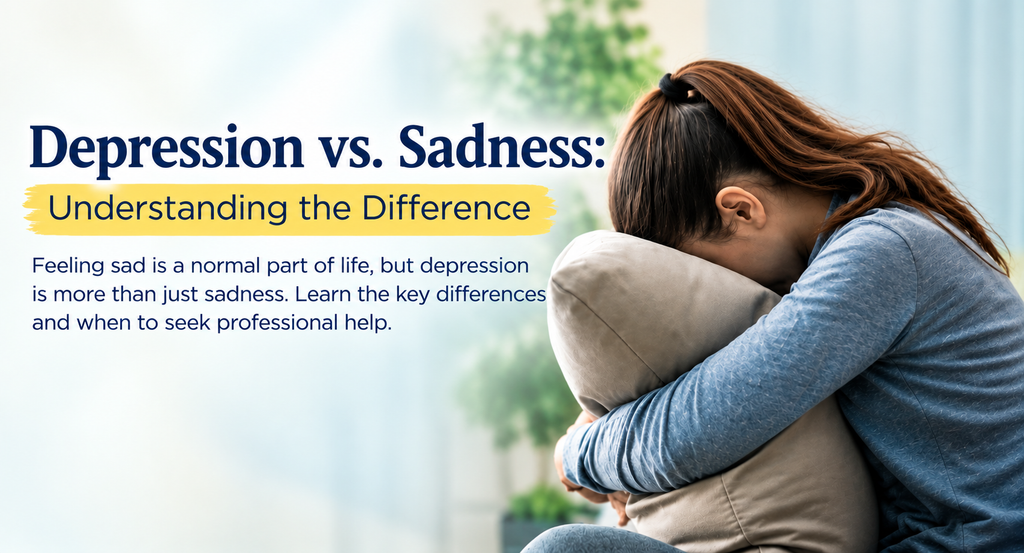
Everyone feels sad sometimes. A bad day, an argument with someone we love, failure at work, financial problems, or the loss of someone close can make us feel low. Feeling sad is a normal part of life, and most of the time, the feeling slowly becomes lighter
as we cope with what happened.
But depression is different.
Depression is more than simply feeling sad. It can affect the way a person thinks, feels, sleeps, works, eats, and connects with other people. Sometimes, a person may even have everything going well in life but still feel empty or hopeless inside.
Understanding the difference between sadness and depression is important because many people ignore their symptoms, thinking they will eventually disappear.
If low mood continues for a long time or starts affecting your everyday life, talking to the Best Psychiatrist In Indore can help you understand what you are experiencing.
What Is Normal Sadness?
Sadness is a natural emotional response to difficult situations.
For example, you may feel sad after failing an exam, losing a job, having a relationship problem, or receiving disappointing news. You may not feel like talking to people for some time, and you may need a few days to feel like yourself again.
Usually, sadness has a clear reason. As the situation improves or you slowly adjust to it, your mood also starts improving.
You may still have moments when you feel happy, laugh with friends, enjoy your favourite food, or look forward to something.
That ability to experience positive emotions is one of the things that can help distinguish ordinary sadness from depression.
What Is Depression?
Depression is a mental health condition that can affect a person’s mood, thoughts, behaviour, and physical health.
A person with depression may feel persistently low, empty, hopeless, or emotionally numb. Sometimes they may not even be able to explain why they feel this way.
Things that once brought happiness may no longer feel enjoyable. Meeting friends can feel like hard work. Going to college or the office may become difficult. Even getting out of bed can feel like a major task.
Depression does not always look like crying or looking sad. Some people with depression continue working, studying, taking care of their families, and smiling around others while struggling privately.
If these changes continue and interfere with daily life, consulting the Best Psychiatrist In Indore may be an important step.
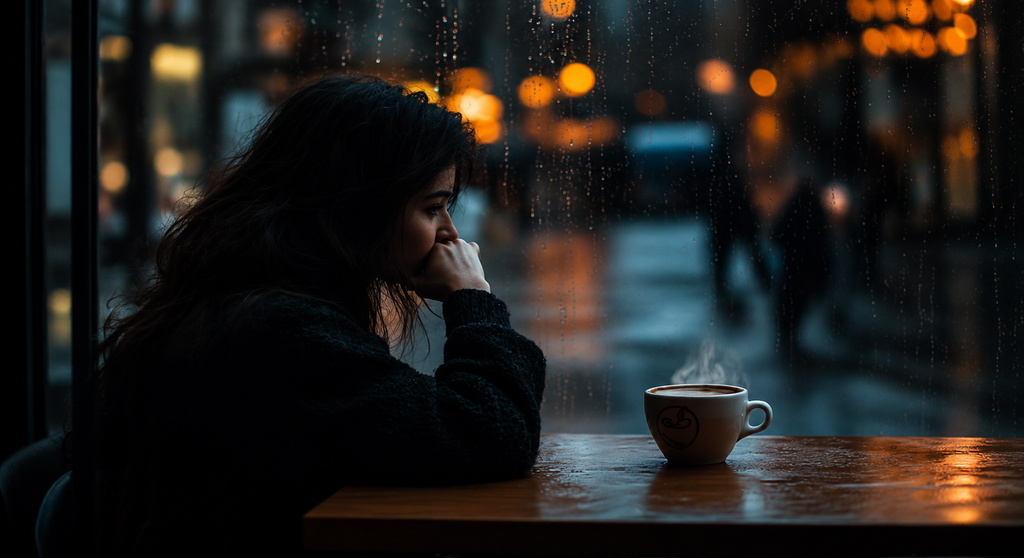
Depression vs. Sadness: What Is the Difference?
The biggest difference is usually the duration, intensity, and effect on everyday life.
Sadness generally comes and goes. You may feel upset because of a particular event, but you can still enjoy some parts of your day.
Depression tends to stay for longer and can affect several areas of life at the same time.
With depression, a person may lose interest in activities they normally enjoy. They may have trouble concentrating, experience changes in sleep or appetite, feel constantly tired, or become withdrawn from family and friends.
Another important difference is that sadness usually does not completely change the way you see yourself or your future.
Depression can.
A person may start thinking, “I am useless,” “Nothing will get better,” or “There is no point in trying.” These thoughts can become difficult to manage without proper support.
Signs That Sadness May Be More Than Sadness
It is normal to have difficult days. But if several changes continue for weeks or are seriously affecting your routine, it is worth paying attention.
Some signs include:
- Feeling low, empty, or hopeless most of the time
- Losing interest in hobbies and activities
- Sleeping much more or much less than usual
- Feeling tired even after resting
- Finding it difficult to concentrate or make simple decisions
- Changes in appetite or weight
- Avoiding friends, family, or social situations
- Feeling worthless, guilty, or like a burden
- Becoming easily irritated or emotionally withdrawn
- Having thoughts about death or self-harm
If you or someone you know is experiencing thoughts of self-harm or suicide, seek immediate professional or emergency support rather than trying to handle the situation alone.
Why Do People Develop Depression?
There is no single reason why someone develops depression.
It can happen after a difficult life event, but sometimes it can appear without an obvious reason. A combination of biological, psychological, social, and environmental factors may play a role.
Long-term stress, relationship problems, work pressure, financial difficulties, major losses, loneliness, poor sleep, and certain medical conditions can contribute to emotional difficulties.
Family history and individual vulnerability can also influence a person’s risk.
This is why it is not helpful to tell someone with depression to simply “think positive” or “forget about it.” They may genuinely be struggling to control how they feel.
A consultation with the Best Psychiatrist In Indore can help identify the symptoms and understand what kind of support may be appropriate.
Can Sadness Turn Into Depression?
Sadness does not automatically turn into depression.
After a difficult event, it is completely normal to experience sadness, anger, confusion, or grief. These emotions can take time to settle.
However, if the low mood continues, becomes stronger, or begins interfering with your daily responsibilities and relationships, it may need more attention.
There is no need to wait until you feel completely overwhelmed.
Sometimes, people spend months telling themselves, “I will feel better tomorrow.” If tomorrow keeps getting postponed, professional support may be worth considering.
The Best Psychiatrist In Indore can help you understand whether what you are experiencing is normal sadness, depression, or another mental health concern.

How Is Depression Treated?
Depression is treatable, and the right treatment depends on the person and the severity of their symptoms.
Treatment may include psychotherapy, lifestyle changes, stress management, medication when clinically appropriate, or a combination of approaches.
A psychiatrist will usually look at your symptoms, their duration, your daily functioning, medical history, and other relevant factors before recommending treatment.
There is no need to compare your experience with someone else’s.
Two people may both have depression but experience it in very different ways. Their treatment plans may also be different.
The role of the Best Psychiatrist In Indore is not simply to label your condition. Good mental health care involves understanding the person, listening to their concerns, and working toward a practical treatment plan.
When Should You Talk to a Psychiatrist?
You do not have to wait until your life is completely disrupted before asking for help.
Consider speaking with a mental health professional if your low mood has continued for several weeks, you have stopped enjoying things you once liked, your sleep or appetite has changed, or you are finding it difficult to manage work, studies, relationships, or everyday responsibilities.
It is also important to seek help if you feel hopeless or have thoughts of harming yourself.
Choosing the Best Psychiatrist In Indore can give you a safe space to discuss these concerns without feeling judged.
Depression Is Not a Sign of Weakness
One of the biggest misconceptions about depression is that people should be able to “snap out of it.”
Mental health does not work that way.
A person can be strong, successful, responsible, and still experience depression. Having depression does not mean that someone lacks willpower.
Sometimes, the hardest part is admitting that something is not right.
Asking for help is not giving up. It is a way of taking care of yourself.
The Best Psychiatrist In Indore can help you understand your symptoms and guide you toward suitable support rather than leaving you to figure everything out alone.
Conclusion
Feeling sad is a normal part of being human. We all experience it, especially when life does not go the way we hoped.
Depression, however, can be deeper and longer-lasting. It can change how you see yourself, your relationships, and your future.
The important thing is not to ignore changes in your mood simply because you think you should be able to handle them yourself.
If sadness is staying for too long, your interest in life is disappearing, or everyday activities are becoming difficult, consider talking to a mental health professional.
Finding the Best Psychiatrist In Indore can be the beginning of understanding what you are going through and getting the support you need.
Taking care of your mental health is not a weakness. It is an important part of taking care of your life.
Frequently Asked Questions
1. How can I tell if I am sad or depressed?
Sadness is usually connected to a specific situation and gradually becomes easier to manage. Depression tends to last longer and may affect your sleep, appetite, energy, concentration, relationships, and interest in everyday activities.
2. Can depression happen without a clear reason?
Yes. Depression does not always have one obvious cause. Several biological, psychological, social, and environmental factors can contribute to it.
3. Does depression always mean that a person feels sad?
No. Some people with depression feel empty, numb, irritated, exhausted, or disconnected rather than simply sad.
4. Can depression be treated?
Yes. Depression can be treated. Depending on the individual’s symptoms, treatment may involve psychotherapy, lifestyle changes, medication, or a combination of approaches.
5. When should I consult the Best Psychiatrist In Indore?
If low mood continues for several weeks, affects your daily life, causes major changes in sleep or appetite, reduces your interest in normal activities, or leads to feelings of hopelessness, professional support can be helpful. The Best Psychiatrist In Indore can assess your symptoms and suggest appropriate next steps.