
Feeling stressed once in a while is a normal part of life. Work pressure, family responsibilities, relationship problems, financial concerns, or major life changes can make anyone feel overwhelmed. But when stress or anxiety starts affecting your sleep, concentration, relationships, work, or everyday happiness, it may be time to seek professional help. Consulting the Best Psychiatrist In Indore can help you understand why you are feeling this way and find the right approach to manage it.
Anxiety isn’t always just about feeling nervous.
Sometimes, it shows up as constant worrying, irritability, racing thoughts, poor sleep, tiredness, difficulty concentrating, or even physical symptoms such as a fast heartbeat or muscle tension.
The good news is that anxiety and stress can be managed. You don’t have to keep struggling with them on your own.
What Is the Difference Between Stress and Anxiety?
Stress usually happens in response to a particular situation.
For example, you may feel stressed before an important meeting, examination, interview, or difficult family situation.
Anxiety can sometimes continue even when there is no immediate danger or clear reason for feeling worried.
You may find yourself thinking:
“What if something goes wrong?”
“What if I can’t handle this?”
“Why can’t I stop thinking?”
When these worries become frequent and start interfering with everyday life, professional assessment can be helpful.
Common Signs of Anxiety and Stress
Anxiety doesn’t look the same for everyone. Some people become restless, while others withdraw or become unusually quiet.
Some common signs include:
- Constant worrying
- Racing or repetitive thoughts
- Irritability or getting angry easily
- Difficulty sleeping
- Feeling tired even after resting
- Difficulty concentrating
- Feeling restless or on edge
- Headaches or muscle tension
- Fast heartbeat or feeling breathless
- Avoiding certain situations because of fear
- Feeling overwhelmed by everyday responsibilities
Having one or two of these symptoms occasionally doesn’t necessarily mean you have an anxiety disorder. What matters is how often they occur and how much they affect your daily life.
How Can a Psychiatrist Help With Anxiety and Stress?
A psychiatrist doesn’t simply look at one symptom.
They try to understand the bigger picture.
1. Understanding What’s Really Going On
Stress, anxiety, depression, sleep problems and other mental-health concerns can sometimes overlap.
A psychiatrist will discuss your symptoms, daily routine, personal circumstances and mental-health history to understand what may be contributing to your difficulties.
This can help distinguish normal temporary stress from a condition that may require treatment.
2. Creating a Personalized Treatment Plan
There isn’t one treatment that works for everyone.
Depending on your symptoms and needs, treatment may include psychotherapy, lifestyle changes, stress-management strategies, medication, or a combination of approaches.
The aim is not simply to make you feel better for a few days.
The goal is to help you manage your symptoms and improve your overall quality of life.
3. Helping You Understand Your Triggers
Sometimes anxiety has obvious triggers.
At other times, you may not understand why you feel anxious.
Professional guidance can help you identify patterns in your thoughts, emotions and behaviour.
For example, you may discover that your anxiety becomes worse when you are:
- Not sleeping properly
- Constantly overthinking
- Under work pressure
- Spending too much time online
- Avoiding difficult conversations
- Trying to meet unrealistic expectations
- Dealing with unresolved emotional issues
Understanding the trigger is often an important step toward managing it.
4. Managing Overthinking
Anxiety and overthinking often go together.
You may replay conversations in your head, worry about future situations, or keep thinking about things that have already happened.
The more you try to force these thoughts away, the more noticeable they can become.
A mental-health professional can help you learn healthier ways of responding to repetitive and anxious thoughts.
5. Addressing Sleep Problems
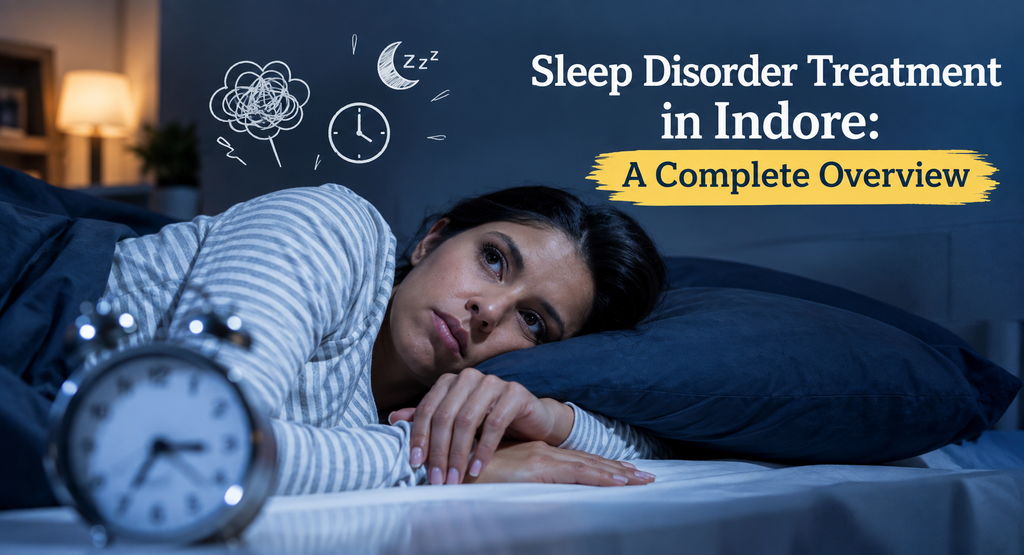
Stress and anxiety can make it difficult to fall asleep or stay asleep.
And poor sleep can make anxiety worse the next day.
This can create a cycle:
Stress → Poor sleep → Tiredness → More anxiety → More stress
If sleep problems continue for weeks or start affecting your daily functioning, they shouldn’t be ignored.
A psychiatrist can assess whether anxiety, stress, depression, lifestyle factors, or another issue may be contributing to your sleep difficulties.
When Should You See a Psychiatrist?
You don’t need to wait until anxiety becomes unbearable before asking for help.
Consider consulting a psychiatrist if:
- Anxiety continues for several weeks
- Your worries feel difficult to control
- You are struggling to sleep regularly
- Your concentration has noticeably decreased
- You feel constantly tired or overwhelmed
- You are avoiding normal activities
- Your relationships are being affected
- You frequently experience panic-like symptoms
- Stress is affecting your work or studies
- You feel that you are no longer able to manage things on your own
Seeking help doesn’t mean that you are weak.
It means you are taking your mental health seriously.
Can You Manage Anxiety Without Medication?
Not everyone with anxiety needs medication.
Treatment depends on the individual’s symptoms, severity and overall situation.
For some people, psychotherapy and lifestyle changes may be enough. For others, medication may be recommended as part of treatment.
This is why self-medication or taking someone else’s anxiety medicine is not advisable.
A qualified psychiatrist can assess your situation and recommend an appropriate treatment plan.
Simple Habits That Can Support Your Mental Health
Professional treatment can be very helpful, but your daily habits also matter.
Try to maintain a regular sleep schedule, stay physically active, eat regular balanced meals, take breaks from screens, spend time with supportive people, and make space for activities you genuinely enjoy.
You don’t need to change everything overnight.
Small, consistent changes are often easier to maintain.
Choosing the Best Psychiatrist In Indore
Finding the right psychiatrist is a personal decision.
When looking for the Best Psychiatrist In Indore, consider factors such as qualifications, experience, area of expertise, communication style and whether you feel comfortable discussing your concerns with them.
A good consultation should feel like a space where you can talk openly without feeling judged.
Mental health treatment is not just about identifying a diagnosis. It is also about understanding the person behind the symptoms.

Final Thoughts
Stress is a part of life, but living with constant anxiety doesn’t have to become your normal.
If you are always worrying, struggling to sleep, feeling overwhelmed, losing concentration, or finding it difficult to enjoy your usual activities, don’t ignore these changes.
The Best Psychiatrist In Indore can help you understand what may be contributing to your anxiety and stress and guide you towards suitable treatment.
You don’t have to figure everything out by yourself.
Sometimes, asking for help is the first step toward feeling like yourself again.
Frequently Asked Questions
1. When should I see a psychiatrist for stress?
If stress continues for several weeks, feels difficult to manage, or starts affecting your sleep, work, relationships, concentration or daily activities, consider speaking with a psychiatrist.
2. Can anxiety be treated completely?
Many people experience significant improvement with appropriate treatment and ongoing management. The treatment approach depends on the type and severity of anxiety and the individual’s circumstances.
3. Does every person with anxiety need medication?
No. Medication is not necessary for everyone. Depending on the situation, psychotherapy, lifestyle changes, stress-management techniques or other approaches may be recommended. A psychiatrist can determine what is appropriate.
4. Can stress cause sleep problems?
Yes. Ongoing stress can make it difficult to fall asleep, stay asleep, or feel rested. Persistent sleep problems should be discussed with a healthcare professional.
5. Can a psychiatrist help with overthinking?
Yes. A psychiatrist can assess whether persistent overthinking is connected to anxiety, depression, stress or another concern and recommend appropriate treatment.
6. How do I choose the Best Psychiatrist In Indore?
Look at the psychiatrist’s qualifications, experience, areas of expertise, approach to treatment and whether you feel comfortable communicating openly with them. A good therapeutic relationship is an important part of mental-health care.