

Early Signs of Psychosis: When Should You Consult a Psychiatrist?
Psychosis is a mental health condition that affects how a person understands reality. It can influence thoughts, perceptions, emotions, and behaviour. A person experiencing psychosis may hear voices that others cannot hear, believe things that are not true, or have difficulty distinguishing between reality and imagination. Recognising the early signs of psychosis can help individuals and families seek appropriate professional support.
Many people do not understand the symptoms of psychosis or may mistake them for stress, unusual behaviour, or a temporary emotional problem. However, significant changes in thinking, perception, sleep, or daily functioning should not be ignored. Consulting a Psychiatrist In Indore can help identify possible causes, assess symptoms, and determine the most appropriate treatment.
What Is Psychosis?

Psychosis is a group of symptoms that affect a person’s perception of reality. It is not a mental health diagnosis on its own. Psychosis can occur in several conditions, including schizophrenia, bipolar disorder, severe depression, substance-related conditions, and certain medical or neurological illnesses.
Not everyone who experiences psychosis has schizophrenia. A proper psychiatric assessment is important to understand the underlying cause and develop an appropriate treatment plan.
Psychosis can develop gradually or appear suddenly. Early recognition and timely intervention may help reduce distress and support recovery.
7 Early Signs of Psychosis You Should Know
1. Unusual Beliefs or Suspicion
One possible early sign is developing strong beliefs that are difficult to explain or that others do not share. A person may feel that someone is following them, monitoring them, or trying to harm them without clear evidence.
These beliefs may become increasingly distressing and begin to affect relationships, work, education, or daily activities. It is important to approach the person calmly rather than arguing aggressively about their beliefs.
2. Hearing Voices or Seeing Things Others Cannot

Hallucinations occur when a person experiences sensations without an external source. For example, they may hear voices when nobody is speaking or see things that others cannot see.
Hearing voices can be frightening or confusing, particularly when the person does not understand what is happening. These experiences can have different causes, so professional evaluation is essential.
If someone is experiencing new or persistent hallucinations, seek prompt medical advice.
3. Difficulty Organising Thoughts
A person experiencing psychosis may find it difficult to organise their thoughts or communicate clearly. Their conversations may become confusing, disconnected, or difficult to follow.
They might suddenly change topics, struggle to explain their ideas, or have difficulty concentrating on ordinary tasks.
If these changes are new, persistent, or interfering with daily functioning, a psychiatric assessment can help identify the possible cause.
4. Social Withdrawal and Isolation
Some individuals begin avoiding friends, family members, or social activities. They may stop participating in hobbies, spend most of their time alone, or lose interest in activities they previously enjoyed.
Social withdrawal can occur for many reasons, including depression, anxiety, stress, and other mental health concerns. When it occurs alongside unusual beliefs, perceptual changes, or disorganised thinking, it deserves particular attention.
5. Changes in Sleep and Daily Routine
Significant changes in sleep patterns can sometimes accompany the development of mental health symptoms. A person may stay awake most of the night, experience disrupted sleep, or show a reduced need for sleep.
Sleep disturbance alone does not mean someone has psychosis. However, severe sleep changes combined with confusion, unusual behaviour, or altered perceptions should be evaluated by a healthcare professional.
6. Decline in Work or Academic Performance
A noticeable drop in school, college, or work performance may be another warning sign. A person might struggle to concentrate, complete assignments, maintain personal responsibilities, or follow familiar routines.
Parents and family members should pay attention to sudden or unexplained changes, especially when several symptoms appear together.
Early professional support can help determine whether these changes are related to psychosis or another medical or psychological condition.
7. Changes in Behaviour or Personal Care
Some individuals may begin behaving differently from their usual selves. They might appear unusually confused, neglect personal hygiene, express ideas that seem disconnected from the situation, or have difficulty managing everyday activities.
These changes do not automatically indicate psychosis. Nevertheless, a combination of noticeable behavioural changes and other warning signs should not be overlooked.
What Causes Psychosis?
Psychosis does not have one single cause. It can be associated with several mental health, medical, and environmental factors, including:
- Mental health conditions: Schizophrenia, bipolar disorder, and severe depression can sometimes involve psychotic symptoms.
- Severe stress and sleep deprivation: These may contribute to symptoms in some circumstances, particularly in vulnerable individuals.
- Substance use: Certain drugs and other substances can trigger psychotic symptoms.
- Medical conditions: Some neurological illnesses, infections, medication effects, and other physical health problems can cause symptoms that resemble psychosis.
- Individual vulnerability: Genetic factors and other biological influences may contribute to a person’s risk.
Identifying the underlying cause is important because treatment depends on the person’s symptoms, medical history, and overall health.
Psychosis vs Schizophrenia: What Is the Difference?
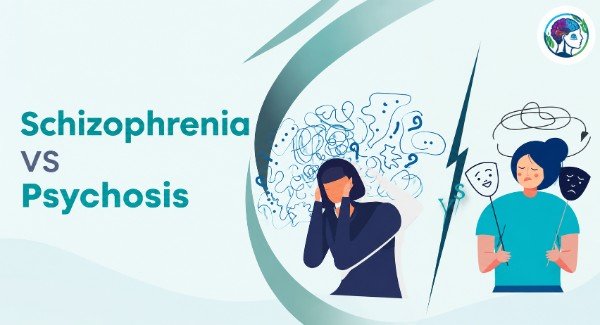
Psychosis refers to symptoms that affect a person’s ability to distinguish reality from experiences generated by the mind. Schizophrenia is a specific mental health disorder that can include psychosis, along with other changes in thinking, emotions, motivation, and functioning.
A person can experience psychosis without having schizophrenia. For example, psychotic symptoms may occur during a mood disorder, as a result of substance use, or because of a medical condition.
Only a qualified healthcare professional can determine the diagnosis after an appropriate assessment. Avoid labelling yourself or a family member based on one or two symptoms.
When Should You Consult a Psychiatrist?
You should seek professional evaluation if you or someone you know experiences hallucinations, strongly held unusual beliefs, confused thinking, or significant behavioural changes that interfere with everyday life.
Consulting a Psychiatrist In Indore can help you understand the symptoms, explore possible causes, and receive guidance about treatment options.
Seek urgent medical attention if symptoms appear suddenly, become severe, or are accompanied by extreme confusion, inability to care for basic needs, or a risk of harm to oneself or others. Sudden confusion can also indicate a medical emergency.
Early assessment is important because some causes of psychosis require immediate treatment.
How Is Psychosis Treated?
Treatment depends on the underlying cause, symptom severity, and individual needs. A psychiatrist may recommend one or more of the following:
1. Psychiatric assessment: The clinician reviews symptoms, medical history, medications, substance use, sleep patterns, and other relevant factors.
2. Medication: Antipsychotic medication may be recommended when appropriate. The choice and dosage depend on the individual’s condition and response to treatment.
3. Psychological support: Evidence-based psychological therapies can help individuals understand their experiences, manage distress, and develop coping strategies.
4. Family education: Helping family members understand psychosis can improve communication, reduce stigma, and support treatment.
5. Regular follow-up: Ongoing monitoring helps assess progress, manage side effects, and adjust the treatment plan when needed.
With appropriate treatment and support, many people can manage their symptoms and work towards recovery.
How Can Families Support Someone Experiencing Psychosis?
Family support can make an important difference. If someone close to you is experiencing possible psychotic symptoms, consider these steps:
- Stay calm and speak in a respectful, reassuring manner.
- Listen without mocking, blaming, or aggressively challenging their experiences.
- Encourage professional evaluation and offer to accompany them to an appointment.
- Help them maintain regular meals, sleep, and daily routines where possible.
- Avoid alcohol and recreational drugs, which can worsen symptoms.
- Seek urgent help if there is an immediate safety concern.
Remember that psychosis is a health concern, not a personal failure. Compassion, timely assessment, and appropriate treatment can help individuals and families navigate the situation.
Conclusion
Recognising the early signs of psychosis is an important step towards timely care. Unusual beliefs, hallucinations, disorganised thinking, social withdrawal, and significant behavioural changes may indicate the need for professional evaluation, especially when several symptoms occur together.
If you notice these changes in yourself or a loved one, do not delay seeking help. A Psychiatrist In Indore can assess the symptoms, identify possible underlying conditions, and guide you towards suitable treatment and support.
Early intervention can help reduce distress, address underlying causes, and improve the chances of a better long-term outcome.
Frequently Asked Questions (FAQs)
1. What are the early signs of psychosis?
Early signs may include unusual beliefs, increased suspicion, social withdrawal, disrupted sleep, difficulty concentrating, disorganised thinking, and hearing or seeing things others do not. These symptoms can have several causes and require professional assessment.
2. Can psychosis be treated?
Yes. Treatment depends on the underlying cause and may include medication, psychological therapies, family support, and regular follow-up. Early assessment can help ensure that appropriate treatment begins as soon as possible.
3. Is psychosis the same as schizophrenia?
No. Psychosis is a group of symptoms that can occur in different conditions, while schizophrenia is a specific mental health disorder that may include psychotic symptoms.
4. When should I consult a psychiatrist for psychosis symptoms?
Seek prompt professional evaluation if you notice hallucinations, unusual beliefs, confused thinking, or significant behavioural changes. Sudden or severe symptoms, especially those involving safety risks or acute confusion, require urgent medical attention.
5. How can I find a Psychiatrist In Indore for psychosis evaluation?
Look for a qualified psychiatrist who can assess psychotic symptoms, investigate possible underlying causes, explain treatment options, and provide appropriate follow-up care. If symptoms are sudden or severe, seek urgent medical attention rather than waiting for a routine appointment.