
Why Are Teenagers Turning to AI Chatbots for Mental Health Advice?
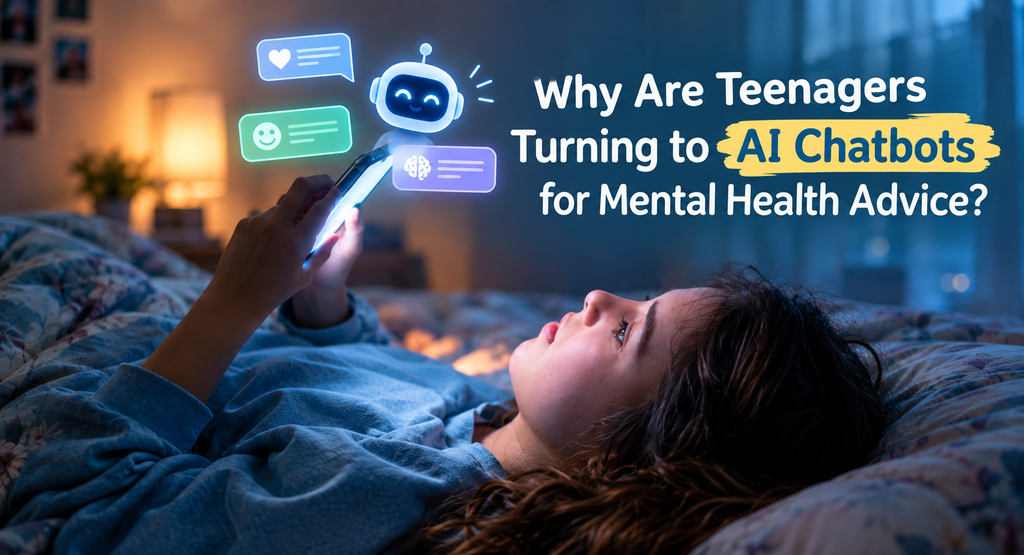
Imagine a teenager lying awake at night, feeling overwhelmed by exam pressure, friendship problems, future worries, or emotions they simply cannot explain. Instead of talking to a parent, teacher, or mental health professional, they may quietly turn to an AI chatbot for answers and reassurance. As technology becomes a regular part of everyday life, many young people are using AI to explore their thoughts and feelings. While AI can provide general information, it cannot replace a proper mental health assessment or understand a teenager’s situation as deeply as a mental health professional can. If emotional concerns continue or start affecting sleep, studies, relationships, behaviour, or daily life, consulting the Best Psychiatrist In Indore can help teenagers and their families understand the underlying concerns and choose appropriate support. Why Do Teenagers Prefer AI Chatbots? There is no single reason. Every teenager is different, but several factors can make AI chatbots attractive. 1. They Get an Immediate Response Teenagers are used to getting information instantly. When they have a question, they often expect an answer within seconds. An AI chatbot can respond immediately, while getting an appointment with a mental health professional may take more time. For a teenager who is awake at night and struggling with thoughts, this instant response can feel comforting. 2. Talking to AI May Feel Less Embarrassing Talking about mental health can be difficult, particularly for teenagers who are worried about being judged. They may hesitate to tell their parents: Typing these thoughts into a chatbot may feel easier than saying them aloud. 3. Fear of Being Judged Teenagers can be extremely sensitive to how others perceive them. They may worry that friends will make fun of them or that parents will become angry or overly concerned. An AI chatbot can seem emotionally neutral, which may encourage teenagers to ask questions they are uncomfortable discussing with people. 4. Curiosity About Their Own Feelings Sometimes teenagers are not necessarily looking for treatment. They simply want to understand themselves. They may search questions such as: “Why do I overthink?” “Why am I always angry?” “Why can’t I concentrate?” “Why do I feel lonely even around people?” An AI chatbot can provide general information that helps them put their feelings into words. Is Using AI for Mental Health Always a Bad Thing? Not necessarily. AI can be useful for general mental health education. It may help teenagers learn about topics such as stress, sleep, emotions, study pressure, communication, and healthy coping habits. The concern begins when a teenager starts depending on AI as their main source of mental health support, particularly when they are experiencing persistent or serious symptoms. AI does not have the same role as a psychiatrist or psychologist. It cannot conduct a complete clinical assessment, observe changes in behaviour over time, or understand the teenager’s complete personal and family context. This is why parents should focus on safe and responsible use, rather than simply banning technology. What Are the Risks of Depending Too Much on AI? One of the biggest concerns is that teenagers may assume that an AI response is the same as a professional mental health assessment. A chatbot may provide general information, but a person’s symptoms can have many possible causes. Stress, sleep problems, physical health conditions, family difficulties, academic pressure, anxiety, depression, and other concerns can sometimes overlap. Another concern is that teenagers may keep asking AI the same questions instead of speaking to someone who can actually help them. For example, a teenager experiencing significant anxiety may repeatedly ask an AI chatbot, “Do I have anxiety?” Instead of seeking professional assessment, they may continue searching for reassurance. This can delay appropriate support. What Should Parents Do? Parents do not necessarily need to panic if they discover that their teenager is using AI to discuss emotions. Instead, it can become an opportunity to start a conversation. Try asking: “What were you looking for?” rather than: “Why are you talking to an AI about your problems?” A calm conversation can help parents understand what the teenager is experiencing. Parents can also encourage teenagers to: When Should a Teenager See a Mental Health Professional? Occasional stress, sadness, anger, or worry is part of growing up. However, parents should pay attention when noticeable changes continue or begin affecting everyday functioning. Professional support may be appropriate when a teenager has persistent: In such situations, consulting the Best Psychiatrist In Indore can help families understand what may be happening and whether professional treatment is needed. AI Can Start a Conversation, But It Shouldn’t End There Perhaps the most important thing parents can remember is that teenagers often use technology because it feels accessible. Instead of seeing AI as the enemy, parents can use this trend as a reason to ask their children what they are going through. A teenager who searches for mental health advice may simply be curious. But sometimes, that search can also be a quiet sign that they are struggling and don’t know how to ask for help. The Best Psychiatrist In Indore can provide a proper evaluation and help teenagers and families understand their concerns in a safe and confidential setting. The goal is not to replace technology with fear. The goal is to make sure technology does not replace genuine human connection and appropriate professional care. A Balanced Approach to Teen Mental Health AI is likely to become an increasingly common part of teenagers’ lives. Mental health conversations will be part of that change too. The answer is not necessarily to prevent teenagers from asking questions online. Instead, they should learn the difference between general information and professional mental health care. Parents can create an environment where teenagers feel comfortable saying, “I’m not okay,” without immediately fearing criticism or punishment. And when emotional or behavioural changes become persistent, seeking help from the Best Psychiatrist In Indore can be an important step toward understanding the situation and supporting the teenager. Mental health support works best when teenagers do not feel alone in dealing
10 Early Signs You May Need Mental Health Treatment in Indore

Mental health is just as important as physical health, but many people ignore early warning signs. A person may continue with daily work, studies, and family responsibilities while silently struggling with emotional difficulties. Everyone experiences stress, sadness, or worry from time to time. However, when these feelings continue for weeks or begin affecting everyday life, they should not be ignored. Recognising the early signs of mental health concerns can help people seek support before problems become more serious. If these symptoms are affecting your life, consulting the Best Psychiatrist In Indore can help you understand what is happening and what kind of support may be useful. 1. Constant Stress and Worry Feeling stressed before an exam, presentation, or important event is normal. But if worry becomes constant and your mind feels busy most of the day, it may affect sleep, concentration, and daily functioning. Some people find themselves thinking about the same problems repeatedly, even when there is no immediate solution. This ongoing stress can become emotionally exhausting. The Best Psychiatrist In Indore can help identify whether these worries are part of anxiety, stress, or another mental health concern. 2. Changes in Sleep Pattern Sleep problems are one of the earliest signs that something may not be right. Some people struggle to fall asleep, wake up several times during the night, or wake too early. Others may sleep much more than usual but still feel tired. Poor sleep can affect mood, energy, memory, and concentration. If sleep difficulties continue for several weeks, it is important to understand the reason behind them. 3. Feeling Sad or Empty for a Long Time Everyone feels low occasionally, especially after difficult experiences. However, if sadness continues for weeks or you feel emotionally empty without a clear reason, it should not be ignored. Some people lose interest in activities they once enjoyed. Others may feel disconnected from family and friends. Speaking with the Best Psychiatrist In Indore can help determine whether these feelings are temporary or part of a larger mental health issue. 4. Overthinking and Difficulty Concentrating Do you find it hard to switch off your thoughts? Overthinking can make simple decisions feel difficult. Some people read the same page repeatedly because they cannot focus. Others feel mentally tired because their mind is always active. When concentration problems begin affecting studies, work, or everyday responsibilities, professional guidance may be helpful. 5. Irritability and Anger Over Small Things Mental health concerns do not always appear as sadness. Some people become more irritable, frustrated, or angry than usual. Small issues may trigger strong emotional reactions. Family members may notice personality changes before the person notices them. Persistent irritability can sometimes be linked to stress, anxiety, sleep problems, depression, or emotional exhaustion. 6. Loss of Interest in Everyday Activities One early warning sign is losing interest in things you normally enjoy. You may stop meeting friends, avoid hobbies, lose motivation, or feel that everyday tasks require too much effort. This does not always mean depression, but when it continues, it is worth understanding why. 7. Physical Symptoms Without a Clear Cause Mental health and physical health are closely connected. Stress and anxiety can sometimes appear as: If medical tests are normal but symptoms continue, emotional health may also need attention. 8. Withdrawing From People Some people slowly distance themselves from friends, family, or social activities. They may prefer staying alone, avoid conversations, or feel too tired to interact with others. Occasional alone time is normal, but long-term withdrawal can be a sign that emotional support is needed. 9. Changes in Appetite Eating habits can change when mental health is affected. Some people lose interest in food, while others eat more than usual, especially during periods of stress or emotional difficulty. Sudden changes in appetite or weight should not be ignored, particularly when they occur along with other emotional symptoms. 10. Feeling Unable to Manage Daily Life One of the clearest signs is when emotional difficulties begin affecting normal responsibilities. You may struggle with work, studies, relationships, parenting, or everyday tasks that once felt manageable. At this stage, consulting the Best Psychiatrist In Indore can help you understand the problem and discuss suitable treatment options. Why Early Treatment Matters Many people wait too long before asking for help. They often think: Sometimes these concerns improve naturally, but sometimes they continue and become more difficult over time. Seeking help early does not mean something is seriously wrong. It means you are taking care of your mental health in the same way you would care for your physical health. The Best Psychiatrist In Indore can help identify concerns early and guide you toward appropriate support. What Kind of Treatment May Help? Mental health treatment is different for every person. Depending on the situation, support may include: Treatment depends on your symptoms, lifestyle, and personal needs. Mental Health Is a Part of Overall Health Many people ignore emotional difficulties because they cannot be seen like a physical illness. But mental health affects how we think, feel, sleep, work, study, and connect with others. If you notice several of these early signs for weeks or months, speaking with the Best Psychiatrist In Indore can help you understand your symptoms and find the right support. Taking help early is not a sign of weakness. It is a step toward better health and a better quality of life. Frequently Asked Questions 1. When should I see the Best Psychiatrist In Indore? If emotional difficulties continue for several weeks, affect sleep, mood, work, studies, or relationships, professional support may be helpful. 2. Are stress and anxiety normal? Short-term stress and worry are normal. However, if they become constant and start affecting daily life, it is important to seek guidance. 3. Can mental health problems cause physical symptoms? Yes. Stress, anxiety, and emotional difficulties can sometimes lead to headaches, fatigue, stomach discomfort, muscle tension, and sleep problems. 4. Can mental health treatment help without medication? Yes. Depending on the situation, treatment may include counselling, lifestyle
Sleep Disorder Treatment in Indore: A Complete Overview
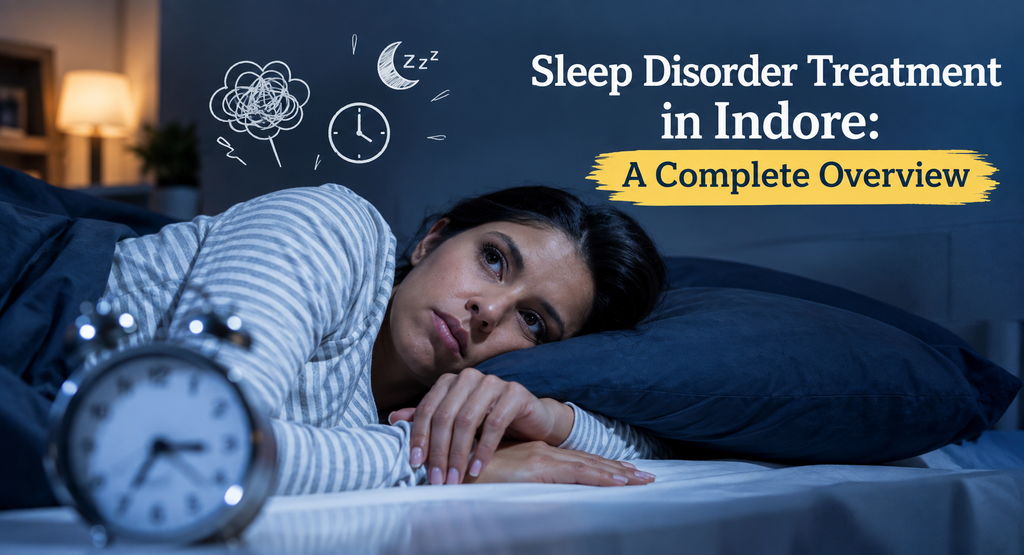
Good sleep is not just about feeling fresh in the morning. Sleep gives your body and mind time to rest, recover, and prepare for the next day. When sleep is disturbed regularly, it can affect your mood, concentration, energy, work, studies, and relationships. Many people have an occasional sleepless night. That is usually not a major concern. But when difficulty sleeping becomes a regular problem, it may be a sign of a sleep disorder or another health concern. If you are struggling with sleep for weeks or months, speaking with the Best Psychiatrist In Indore can help you understand what may be causing the problem and what kind of treatment may be suitable for you. What Is a Sleep Disorder? A sleep disorder is a condition that affects your normal sleep pattern. It may make it difficult to fall asleep, stay asleep, wake up at the right time, or feel rested after sleeping. Some people spend hours in bed but cannot fall asleep. Others fall asleep easily but wake up several times during the night. Some may wake up very early and find it difficult to sleep again. Sleep problems can also happen in the opposite way. A person may feel excessively sleepy during the day or suddenly fall asleep at inappropriate times. These problems should not always be treated as a simple lack of discipline. Sleep can be affected by stress, anxiety, depression, medicines, physical health conditions, work schedules, lifestyle habits, and other sleep disorders. Common Types of Sleep Problems Sleep disorders can look different from person to person. Some common problems include insomnia, sleep apnoea, restless legs syndrome, narcolepsy, and problems related to the body’s sleep-wake schedule. Insomnia is one of the most common concerns. A person may have difficulty falling asleep, wake repeatedly during the night, or wake too early and be unable to go back to sleep. Long-term insomnia can also lead to daytime tiredness, irritability, and difficulty concentrating. Sleep apnoea is another condition that should not be ignored. It can involve loud snoring, pauses in breathing, choking or gasping during sleep, and excessive tiredness during the day. The important thing is to understand why the sleep problem is happening instead of simply trying to force yourself to sleep. What Causes Sleep Disorders? There is rarely one reason behind every sleep problem. Sometimes the reason is obvious. You may be under pressure at work, preparing for exams, dealing with relationship problems, or going through a difficult period in life. Stress and anxiety can make the mind stay active even when the body is tired. Other times, the cause may be less obvious. Common factors that can affect sleep include: This is why taking sleeping medicine on your own may not solve the actual problem. The underlying cause needs to be understood first. How Does Poor Sleep Affect Mental Health? Sleep and mental health are closely connected. When you do not sleep well, you may notice that you become more irritated, emotionally sensitive, forgetful, or unable to concentrate. Even simple daily tasks can start feeling harder. For someone already dealing with anxiety or low mood, poor sleep can make things feel even more difficult. At the same time, ongoing anxiety, depression, or stress can make it harder to sleep. This can become a frustrating cycle: you cannot sleep because your mind is active, and the lack of sleep then makes your mind feel even more tired and overwhelmed. A Best Psychiatrist In Indore can assess whether your sleep problem may be connected with anxiety, depression, stress, medication, or another mental health concern. When Should You Seek Sleep Disorder Treatment? You do not need to wait until your sleep problem becomes severe. If you occasionally sleep late because of a busy day, travel, celebrations, or temporary stress, it may settle once your routine returns to normal. But professional advice may be helpful when sleep problems keep happening and begin affecting your everyday life. You should consider speaking with a professional if you regularly have difficulty falling asleep, keep waking during the night, wake too early, feel exhausted during the day, or struggle to concentrate because of poor sleep. It is also important to seek medical advice if you snore loudly, wake up gasping or choking, or someone notices that your breathing stops during sleep. The Best Psychiatrist In Indore can help assess the mental-health side of sleep problems and guide you toward appropriate care when needed. What Happens During Sleep Disorder Treatment? Treatment depends on the reason behind the sleep problem. The first step is usually understanding your sleep pattern and looking at factors that may be affecting it. Your doctor may ask about your bedtime, waking time, daytime tiredness, stress, mood, medicines, lifestyle, and other symptoms. For some people, improving sleep habits may be enough. For others, counselling or structured therapy may be recommended. Cognitive behavioural therapy for insomnia, commonly called CBT-I, is an evidence-based approach used to address thoughts and behaviours that keep insomnia going. Medication may sometimes be considered, depending on the person’s condition. It should be taken only under appropriate medical guidance because some sleeping medicines can cause side effects or dependence. Simple Habits That Can Improve Sleep Small changes in your daily routine can make a real difference. Try to keep your sleep and wake-up times reasonably consistent, even on weekends. Give yourself some quiet time before bed instead of going directly from work, studying, or scrolling on your phone to trying to sleep. Keep your bedroom comfortable, quiet, and dark. Avoid caffeine late in the day and try not to use your phone immediately before bedtime. Regular daytime physical activity can also support better sleep. Most importantly, do not become overly worried about one bad night. Worrying continuously about whether you will sleep can itself make relaxation harder. Why Professional Help Can Make a Difference Many people with sleep problems keep trying different home remedies without understanding what is actually causing their symptoms. One person may have insomnia because of anxiety.