

Choosing a career can feel exciting, but for many students, it can also become a major source of stress. Academic competition, examinations, expectations from parents, uncertainty about the future, and pressure to achieve high marks can make students feel overwhelmed.
A certain amount of academic stress can motivate students to prepare and perform better. However, when pressure becomes constant and begins affecting sleep, mood, concentration, relationships, or daily functioning, it should not be ignored. In such situations, guidance from the Best Psychiatrist In Indore can help students and families understand the concerns and identify appropriate support.
Why Do Students Experience Career Stress?
Students today often face pressure from multiple directions. They may feel they must score high marks, choose the “right” career, compete with their peers, secure admission to a preferred college, or meet family expectations.
Social media can also contribute to comparison. Seeing others share their achievements may make students feel that they are falling behind.
For some students, uncertainty itself becomes stressful. They may repeatedly think, “What if I choose the wrong career?” or “What if I don’t succeed?” Persistent worry can make career decisions feel much more difficult.
The Best Psychiatrist In Indore can help when these worries become excessive, persistent, or disruptive.
How Academic Pressure Can Affect Mental Health
1. Anxiety and Excessive Worry
Academic pressure can lead to constant worrying about examinations, marks, college admissions, or future career opportunities. Students may find it difficult to relax because their minds remain focused on the next challenge.
2. Sleep Problems
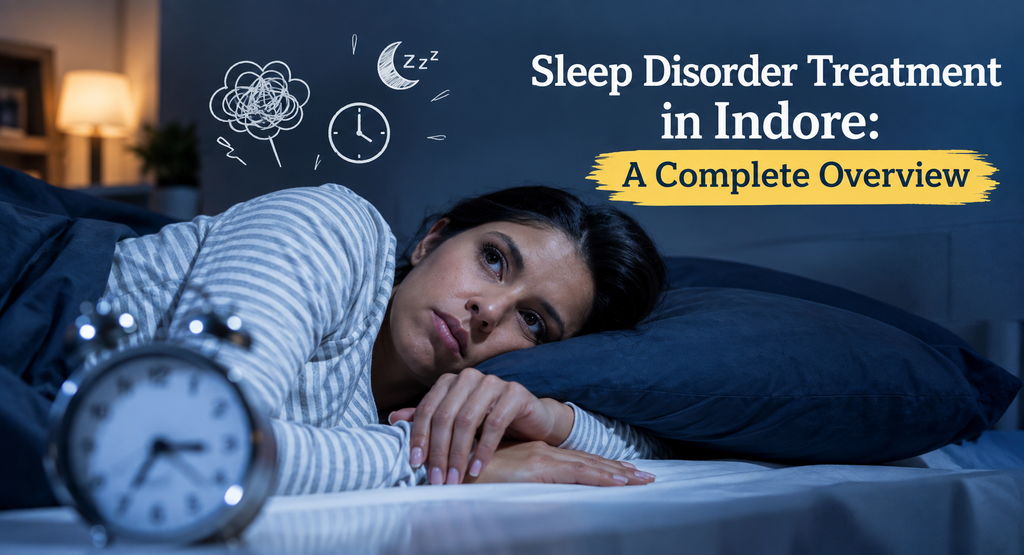
Late-night studying, examination anxiety, and worrying about academic performance can interfere with healthy sleep. Insufficient sleep may then affect concentration, energy, mood, and academic performance.
3. Loss of Motivation
A student under constant pressure may gradually lose interest in studying or activities they previously enjoyed. They may feel emotionally exhausted rather than simply “lazy.”
4. Difficulty Concentrating
Stress can make it harder to focus on lessons, remember information, or complete assignments. A student may sit with books for hours but struggle to absorb what they are reading.
5. Irritability and Emotional Changes
Academic pressure can sometimes result in frustration, irritability, frequent crying, emotional withdrawal, or sudden changes in behaviour. Parents should pay attention to significant changes rather than dismissing them as normal teenage behaviour.
If these symptoms persist, consultation with the Best Psychiatrist In Indore can help determine whether the student is experiencing significant anxiety, depression, burnout, or another mental health concern.
Warning Signs Parents Should Not Ignore
Parents and teachers can play an important role in recognising emotional difficulties. Warning signs may include:
- Persistent sadness or anxiety
- Sudden decline in academic performance
- Avoiding school, college, or examinations
- Changes in sleep or appetite
- Frequent headaches or stomach discomfort
- Loss of interest in hobbies
- Social withdrawal
- Excessive fear of failure
- Constant self-criticism
- Statements suggesting hopelessness or feeling like a burden
When several warning signs appear together or interfere with everyday functioning, seeking professional guidance from the Best Psychiatrist In Indore can be an important step.

How Can Students Manage Career Stress?
Set Realistic Goals
Students do not need to solve their entire future at once. Breaking large academic goals into smaller, achievable tasks can make pressure feel more manageable.
Take Regular Breaks
Long hours of continuous studying are not always productive. Short breaks, physical activity, hobbies, and adequate rest can support concentration and wellbeing.
Avoid Constant Comparison
Every student has different abilities, interests, circumstances, and learning styles. Comparing yourself continuously with classmates or people online can increase unnecessary pressure.
Encourage Open Communication
Students should feel comfortable discussing their fears and career concerns with parents, teachers, counsellors, or mental health professionals without fear of judgement.
Seek Professional Support
If academic or career stress becomes overwhelming, professional help can provide valuable guidance. The Best Psychiatrist In Indore can evaluate the student’s emotional and psychological wellbeing and suggest appropriate support based on individual needs.
Conclusion
Career decisions and academic challenges are important parts of a student’s life, but constant pressure should not come at the cost of mental health. Students need encouragement, realistic expectations, adequate rest, healthy routines, and a safe environment where they can discuss their concerns.
Parents and educators should remember that academic performance is only one part of a student’s overall wellbeing. If career stress or academic pressure begins affecting a student’s emotional health, seeking timely professional support can make a meaningful difference.
For students experiencing persistent anxiety, emotional distress, sleep difficulties, or overwhelming academic pressure, consulting the Best Psychiatrist In Indore can help identify the underlying concerns and guide them toward appropriate support.
Frequently Asked Questions
1. Is career stress normal for students?
Some level of stress about exams and career decisions is normal. However, persistent stress that affects sleep, mood, concentration, relationships, or daily functioning should receive attention.
2. Can academic pressure cause anxiety in students?
Yes. Excessive academic pressure may contribute to anxiety and persistent worry, particularly when students feel they cannot meet expectations or fear failure.
3. How can parents reduce academic pressure?
Parents can focus on effort and learning rather than only marks, encourage healthy routines, allow adequate rest, listen without judgement, and help children set realistic goals.
4. When should a student see a psychiatrist?
If stress, anxiety, low mood, sleep problems, withdrawal, or academic difficulties persist or significantly interfere with daily life, consulting the Best Psychiatrist In Indore may be appropriate.
5. Can career counselling help with student stress?
Career counselling can help students understand their interests, strengths, and available options. If significant anxiety or emotional difficulties are present, mental health support may also be beneficial.