
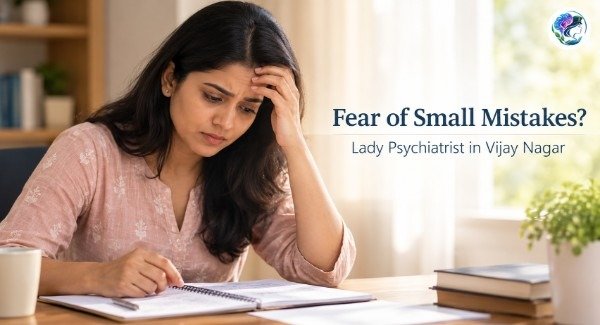
Have you ever made a small mistake and worried about it for hours? Do you feel scared when you forget something, give a wrong answer, or think someone may be unhappy with you? You are not alone. Many people experience excessive fear and tension over minor mistakes, even when the problem is small.
Sometimes, we imagine the worst possible outcome of a simple mistake. We may worry that someone will scold us, judge us, or think badly of us. These thoughts can make everyday life stressful. If this fear affects your daily routine, speaking with a Lady Psychiatrist in Vijay Nagar may help you understand your feelings and explore suitable support.
What Does It Mean to Fear Small Mistakes?
Fear of small mistakes means worrying too much about doing something wrong. A person may feel nervous about simple tasks, such as sending a message, answering a question, completing homework, or talking to another person.
For example, a student may make one spelling mistake and believe they will fail the whole exam. An employee may make a small error in an email and spend the entire evening worrying about losing their job.
In both cases, the mistake may be small, but the fear feels very big.
Everyone makes mistakes. They are a normal part of learning and growing. However, when fear becomes too strong, it can affect confidence, sleep, relationships, and work.
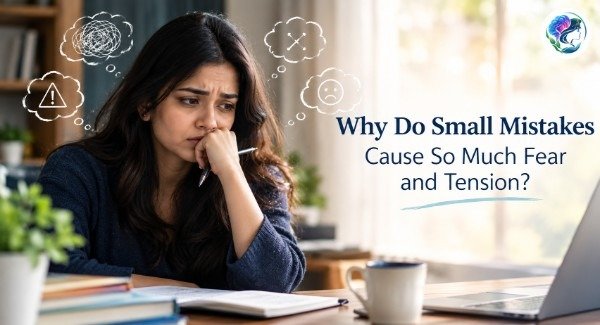
Why Do Small Mistakes Cause So Much Fear and Tension?
There can be several reasons why a person feels excessive fear and tension over minor mistakes.
1. Fear of Being Judged
Some people worry too much about what others think of them. They may believe that one mistake will change how their friends, family, teachers, or colleagues see them.
For example, a person may avoid asking a question because they fear that others will laugh at them. This fear can make simple situations feel difficult.
Learning that everyone makes mistakes can help reduce this pressure. If this fear becomes difficult to manage, a Lady Psychiatrist in Vijay Nagar can help assess the concerns and discuss suitable ways to cope.
2. Thinking About the Worst Possible Outcome
Sometimes, the mind jumps directly to the worst result.
You may forget to reply to a message and think, “Now that person will never talk to me again.” You may make a small mistake at work and think, “I am going to lose my job.”
These thoughts can increase fear even when there is no clear reason to expect such a result.
When this happens often, pause and ask yourself, “What is actually happening, and what am I only imagining?”
3. Pressure to Be Perfect
Some people believe they must always do everything correctly. They may feel unhappy with themselves even after doing a good job.
This is sometimes called perfectionism. A person with strong perfectionist habits may spend too much time checking their work, fear trying new things, or feel ashamed of small errors.
Remember, doing your best is more important than being perfect every time. You are allowed to learn, improve, and make mistakes.
4. Past Experiences
Past experiences can affect how we respond to mistakes. For example, a child who is repeatedly scolded for small errors may grow up feeling afraid of disappointing others.
Similarly, repeated criticism or very high expectations can make some people doubt themselves.
Not everyone who experiences these situations develops anxiety, but past experiences can influence how safe or confident a person feels.
5. Stress and Mental Exhaustion
When you are already tired, stressed, or dealing with many problems, even a small difficulty may feel overwhelming.
Lack of sleep, work pressure, family concerns, and ongoing worries can make it harder to think calmly. Your mind may need rest, support, and healthier ways to manage stress.
Common Signs You May Be Experiencing Excessive Fear

Fear of small mistakes can affect both your thoughts and your daily behaviour. Some common signs include:
- Thinking about small mistakes again and again.
- Feeling nervous before simple tasks.
- Worrying too much about what other people think.
- Frequently asking others whether everything is okay.
- Checking the same work many times because you fear an error.
- Feeling guilty even when you have done nothing seriously wrong.
- Finding it difficult to sleep because of worries.
- Avoiding new activities because you fear making mistakes.
- Feeling tense, restless, or unable to relax.
Having one or two of these experiences does not automatically mean you have an anxiety disorder. However, if these problems happen frequently or interfere with your daily life, it is worth seeking professional advice.
How Can You Manage the Fear of Making Small Mistakes?
The good news is that you can learn healthier ways to respond to mistakes. Small steps, practised regularly, can make a difference.
1. Pause Before Believing Your Thoughts
When you make a mistake, do not immediately assume that something terrible will happen.
Take a slow breath and ask yourself:
- What exactly happened?
- Is this problem as serious as it feels?
- What would I say to a friend in the same situation?
These questions can help you look at the situation more calmly.
2. Accept That Nobody Is Perfect
Everyone makes mistakes, including successful people. A mistake does not mean that you are weak, careless, or incapable.
Instead of saying, “I always do everything wrong,” try saying, “I made a mistake, and I can learn from it.”
This small change in the way you speak to yourself can help build confidence over time.
3. Focus on Solutions Instead of Worry
If you have made a mistake, think about what you can do to correct it.
For example, if you send a message with the wrong information, you can send a correction. If you forget an important task, you can make a reminder for next time.
Once you have taken reasonable action, try not to keep reviewing the same problem.
4. Practise Small, Manageable Challenges
If you avoid every situation where you might make a mistake, your fear may become harder to manage.
Start with small activities that feel slightly uncomfortable but are safe. You could ask a question in a meeting, try a new hobby, or complete a simple task without checking it repeatedly.
Give yourself time to learn. You do not need to overcome every fear in one day.
5. Take Care of Your Body and Mind
Healthy daily habits can support emotional well-being. Try to maintain a regular sleep routine, eat balanced meals, move your body, and take short breaks during stressful days.
Talking to someone you trust can also help you feel less alone with your worries.
These steps may support your well-being, but they are not a replacement for professional care when symptoms are severe or persistent.
When Should You Consult a Psychiatrist?
It may be time to seek professional support if fear of small mistakes is affecting your everyday life.
Consider speaking with a mental health professional if:
- You worry for long periods about minor problems.
- Fear stops you from studying, working, or enjoying activities.
- You repeatedly check things or seek reassurance and find it difficult to stop.
- Anxiety affects your sleep, relationships, or confidence.
- You experience frequent panic-like symptoms or feel constantly tense.
- Your worries continue despite trying to manage them yourself.
A psychiatrist can assess your symptoms, understand what may be contributing to them, and discuss suitable treatment options.Lady Psychiatrist in Vijay Nagar Depending on your needs, support may include psychological therapy, lifestyle guidance, medication, or a combination of approaches.
If you are looking for a Lady Psychiatrist in Vijay Nagar, choose a qualified professional with whom you feel comfortable discussing your concerns openly. You do not need to wait until your worries become unbearable before asking for help.
Final Thoughts
Feeling afraid of small mistakes can be exhausting, especially when your mind keeps telling you that something bad will happen. But a mistake does not define your worth, and you do not have to handle every worry alone.
Start by noticing your thoughts, treating yourself with kindness, and focusing on what you can change. If fear and tension continue to affect your daily routine, professional support can help you understand your experiences and develop healthier ways to cope.
Seeking help is not a sign of weakness. It is a positive step towards a calmer and more confident life.
If you need support with persistent fear, anxiety, or excessive worry, consider consulting a qualified Lady Psychiatrist in Vijay Nagar for an assessment and guidance tailored to your needs.
Frequently Asked Questions
1. Why do I get scared over small mistakes?
You may fear being judged, disappointing others, or facing negative consequences. Stress, past experiences, and perfectionist thinking can also contribute.
2. Is being afraid of making mistakes a sign of anxiety?
It can be associated with anxiety, but fear of mistakes alone does not confirm an anxiety disorder. A qualified mental health professional can assess your symptoms.
3. How can I stop worrying about small mistakes?
Pause, take a slow breath, check the facts, and focus on fixing the problem instead of imagining the worst. Practise self-kindness and avoid repeatedly checking things when it is unnecessary.
4. When should I consult a Lady Psychiatrist in Vijay Nagar?
Consider an appointment if excessive fear and tension regularly affect your sleep, work, studies, relationships, or daily activities.
5. Can excessive fear of mistakes be treated?
Yes. Depending on the cause and severity, treatment may include psychological therapy, practical coping strategies, lifestyle changes, or medication when appropriate.
Frequently asked questions (FAQs)
1. Why do I get scared over small mistakes?
You may fear being judged, disappointing others, or facing negative consequences. Stress, past experiences, and perfectionist thinking can also contribute.
2. Is being afraid of making mistakes a sign of anxiety?
It can be associated with anxiety, but fear of mistakes alone does not confirm an anxiety disorder. A qualified professional can assess your symptoms.
3. How can I stop worrying about small mistakes?
Pause, take a slow breath, check the facts, and focus on fixing the problem instead of imagining the worst. Practise self-kindness and avoid repeatedly checking things when it is unnecessary.
4. When should I consult a Lady Psychiatrist in Vijay Nagar?
Consider an appointment if excessive fear and tension regularly affect your sleep, work, studies, relationships, or daily activities.
5. Can excessive fear of mistakes be treated?
Yes. Depending on the cause and severity, treatment may include psychological therapy, practical coping strategies, lifestyle changes, or medication when appropriate.